
neoprene foam supplier, closed cell CR foam, industrial sealing foam, vibration damping foam, HVAC insulation foam, custom neoprene gaskets
CR Foam: A Practical Material for Demanding Industrial Environments
Industrial manufacturers increasingly need material solutions that can serve more than one function. A gasket, enclosure seal or protective pad may need to help manage vibration, support thermal insulation, resist environmental exposure and maintain stable performance throughout repeated use. For these applications, CR foam—also known as chloroprene or neoprene foam—remains an important engineered material category.
CR foam is a closed-cell material valued for its balance of resilience, sealing capability and environmental resistance. Its cellular structure helps make it appropriate for applications where a material must conform to component surfaces while contributing to insulation and protection. In HVAC assemblies, electrical enclosures, transportation equipment and construction systems, this combination can help designers specify one material for several practical requirements.
Balancing Sealing, Insulation and Vibration Management
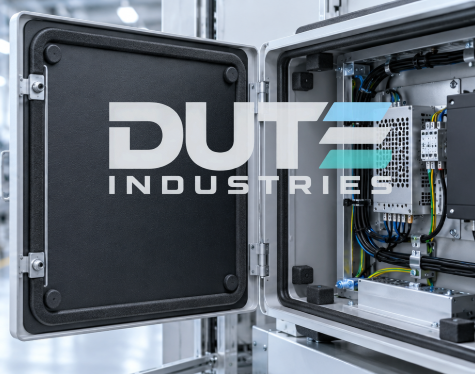
The performance requirements of industrial components rarely exist in isolation. HVAC units, for example, may need seals that accommodate joints while helping reduce unwanted air movement and vibration. Electronic enclosures may require materials that cushion sensitive components and support more dependable closure around access points. In these settings, material selection should consider the full operating environment rather than a single property alone.
DUTE CR foam is designed for sealing, thermal insulation and vibration-control applications. The company identifies applications including automotive sealing, HVAC systems, electronic enclosures, marine equipment and construction joints. Its product range also includes customizable shapes and self-adhesive options, enabling customers to align material form with specific assembly or installation requirements.
A Considered Approach to Foam Specification
Selecting CR foam should begin with the application: required thickness, geometry, exposure conditions, compression demands and installation method all matter. A material that performs well as a flat sheet may need different conversion when used as a gasket, strip or die-cut component. This is why processing support is as relevant as the underlying material itself.
DUTE combines foam manufacturing experience with conversion capabilities to support projects from material selection through tailored component formats. By considering thickness, shape and functional design together, procurement and engineering teams can work toward a specification that better reflects the final use case.
For businesses seeking a versatile foam material for protection, sealing and insulation, CR foam offers a well-established solution path. Explore DUTE CR foam to discuss material and conversion requirements for your next application.